Add Row
Add Element
cropper
update
Hot Flash Pro
update
Add Element
  • Home
  • Categories
    • Perimenopause Symptoms
    • Hormone Health & HRT
    • Lifestyle & Wellness
    • Midlife Productivity & Mental Health
    • Product Reviews & Tools for Relief
    • Nutrition for Hormonal Balance
    • Fitness & Movement in Midlife
    • Sleep & Recovery
    • Personal Stories & Experiences
    • Alternative & Holistic Therapies
    • Menopause at Work & Career Transitions
    • Emotional Wellbeing & Mindfulness
    • Expert Q&As & Interviews
    • Skin
    • Hair & Body Changes
August 12.2025
2 Minutes Read

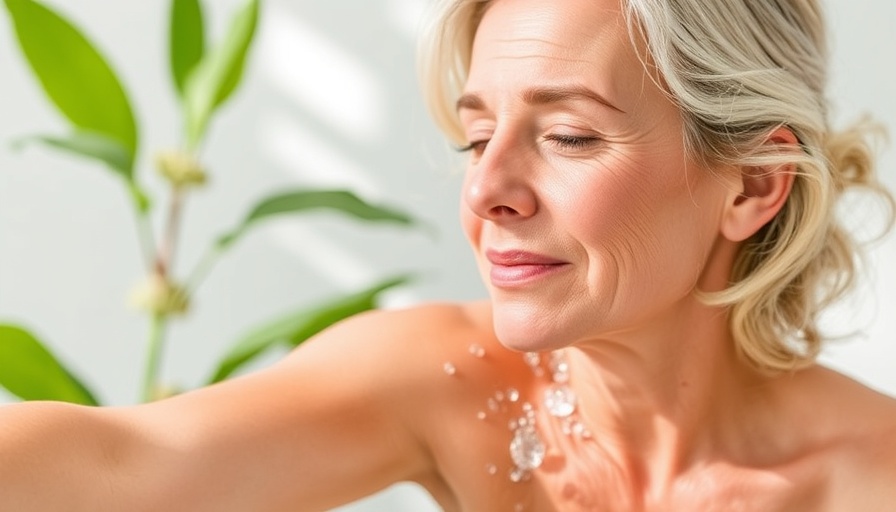
Hydration's Essential Role in Supporting Menopausal Skin Health

The Benefits of Hydration for Menopausal Skin

The Importance of Hydration During Menopause

For women navigating the transitions of menopause, hydration takes on new significance. With changing hormonal levels impacting various bodily functions, ensuring adequate water intake is essential. It not only supports overall health but also provides specific benefits tailored for menopausal skin. Proper hydration can help alleviate symptoms like hot flashes and dryness, while also keeping skin radiant and youthful.

Understanding Menopausal Skin Changes

As women reach perimenopause and menopause, various skin changes can occur due to hormonal shifts. The skin loses moisture and elasticity, leading to increased dryness and the formation of fine lines and wrinkles. With estrogen levels declining, the skin's natural moisture retention diminishes, often resulting in irritation and discomfort. This makes it crucial to prioritize hydration as part of a daily skincare routine.

How Hydration Affects Skin Health

Skin is the body’s largest organ, playing a pivotal role in protecting against environmental stressors. During menopause, women might notice that their skin feels different, often appearing less plump and more prone to the visible signs of aging. Increased hydration can counteract these effects by helping to maintain skin’s elasticity and barrier function, thereby fostering a smoother and healthier appearance.

Recommended Hydration Practices for Menopausal Women

So, how much water should women drink during this transition? While recommendations vary, aiming for at least eight 8-ounce glasses a day is a good starting point. Additionally, incorporating hydrating foods like fruits and vegetables can enhance overall water intake. Regularly assessing your hydration levels and recognizing signs of dehydration, such as dry mouth, fatigue, or headaches, can help maintain balance.

Incorporating Hydration into Daily Life

Finding ways to make hydration enjoyable can transform it from a chore into a habit. Setting reminders, keeping a stylish water bottle on hand, and infusing water with fruits or herbs can make drinking more appealing. Combining hydration with skincare rituals not only benefits the skin but can also boost mood and energy levels, creating a holistic approach to menopausal wellness.

Conclusion: Take Charge of Your Hydration

In recognizing the impact of hydration on skin health during menopause, women have the opportunity to enhance their overall well-being. By making water intake a priority, adapting daily habits, and embracing hydration as a vital part of self-care, the challenges of this life stage can be met with confidence and resilience. Start today by ensuring you’re drinking enough water, and celebrate the journey toward healthier skin and comfort in this new phase of life.

Skin

0 Comments

Write A Comment

*
*
Related Posts All Posts
11.18.2025

How Menopause Causes Itchy Skin and What You Can Do About It

Update The Hidden Challenges of Menopause: Understanding Itchy SkinMenopause, a natural phase of life for women, brings a myriad of physical and emotional changes. Among these often-overlooked symptoms is itchy skin, medically termed 'pruritus.' This condition, affecting as many as 64% of women during menopause, can be both annoying and concerning, particularly as it can lead to sleepless nights and further skin irritation.Itchy skin during menopause occurs due to a significant drop in estrogen levels, which is vital for maintaining skin elasticity through collagen production and natural oil secretion. As estrogen levels wane, many women may notice changes not just in skin texture but also in its response to environmental factors.Why Is Itchy Skin a Common Complaint in Menopause?The relationship between decreasing estrogen levels and itchy skin is well-documented. As the hormone drops, the skin loses moisture and begins to thin. Research from multiple studies indicates that around 70% of menopausal women report experiencing skin dryness and irritability alongside itchiness, indicating that these skin changes are closely tied to hormonal fluctuations.Logistics of Itchy Skin: Where Does It Occur?Itchy skin can manifest across various body parts including the face, neck, upper arms, and back. Interestingly, the sensation often becomes more pronounced during the night. This nocturnal spike may be attributed to hormonal shifts or simply the lack of distractions during sleep that could otherwise divert attention from discomfort.Effective Treatments: Signs of ReliefManaging itchy skin during menopause often involves lifestyle modifications, skincare adjustments, and sometimes medical intervention. Basic remedies include maintaining skin hydration through quality moisturizers and avoiding long, hot showers which can strip oils from the skin. Women are encouraged to incorporate products containing hyaluronic acid for added moisture retention.For those particularly struggling, medical treatments like hormone replacement therapy (HRT) may provide significant relief, improving skin elasticity and reducing overall discomfort. Additionally, topical treatments like hydrocortisone creams can soothe irritated areas, while antihistamines may be recommended for severe itching.Emotional Connections and Future PathwaysBeyond the physical discomfort, itchy skin can impact emotional well-being, leading to stress and anxiety about one’s appearance. Understanding this connection may empower women to take charge of their skincare routines and seek professional help if home remedies are ineffective.As conversations grow around women's health, acknowledging issues like menopausal itchy skin can help normalize these experiences. Women experiencing discomfort are advised to consult healthcare professionals, who can provide tailored approaches based on individual needs.

11.07.2025

How Hair Follicle Stem Cells and Diet Can Boost Skin Healing

Update Hair Follicle Stem Cells: Vital Players in Skin HealingThe recent discoveries from Rockefeller University have illuminated the remarkable adaptability of hair follicle stem cells (HFSCs) in skin repair, especially during challenging conditions such as low nutrient levels. Traditionally, these cells have been known primarily for their role in hair growth. However, new research indicates that when serine, an amino acid crucial for cellular function, is depleted, these cells can shift their focus from hair production to the critical task of wound healing.Understanding the Shift: Energy Conservation in ActionAt the heart of this transformation lies the integrated stress response (ISR), which is activated when serine levels fall. The ISR signals HFSCs to conserve energy, prompting them to halt hair growth and redirect their resources towards repairing damaged skin. This nuanced understanding suggests that nutritional factors may play a significant role in skin healing, opening up potential dietary interventions to enhance recovery from skin injuries.The Importance of Serine: A Nutritional AllySerine is found in various foods, including meat, grains, and dairy products. By managing dietary serine intake, individuals could potentially influence their skin healing processes. As women navigate the challenges of perimenopause and early menopause, understanding how diet interacts with bodily functions becomes even more critical. This is particularly relevant given that hormonal changes can impact both nutrient absorption and skin health.Implications for Healing: Bridging Diet and MedicineThe findings from this research hold promise for developing targeted treatments that enhance the skin's natural healing capabilities. By manipulating serine levels—whether through dietary approaches or medications—there's potential not only for accelerated healing of superficial wounds but also for offering new solutions for chronic skin conditions. This insight underscores the interconnectedness of nutrition, cellular health, and tissue repair, especially in the context of recovery and resilience during midlife transitions.Future Directions: A Path to Enhanced Skin HealthThe evidence being gathered points to a myriad of possibilities in the field of dermatology and regenerative medicine. Encouraging professionals and patients alike to consider nutritional strategies alongside traditional medical treatments could lead to more holistic approaches in skin recovery. It is clear that as our understanding of HFSCs deepens, so too does our capacity to utilize these insights practically, ensuring that both diet and medical interventions are at the forefront of skincare regimens.

11.04.2025

Discover How Stress Impacts Skin Conditions During Menopause

Update Understanding the Skin-Mind Connection During Menopause For many women, menopause marks not just a significant hormonal transition but also a critical period for emotional and psychological changes. Up to 68% of women experiencing perimenopause report higher rates of depression and anxiety, which can take a toll on their skin. This data underscores the complex interplay between mental wellness and skin health. Stress, particularly during this lifecycle phase, often exacerbates pre-existing skin conditions and presents new ones, making effective self-care essential. How Stress and Hormones Influence Skin Changes When under stress, the body releases cortisol, a hormone that affects everything from mood to skin composition. Cortisol can increase skin oil production, leading to breakouts, while simultaneously decreasing collagen production—essential for maintaining skin elasticity. During menopause, decreasing estrogen levels compound these effects, intensifying issues like dryness and sensitivity. Studies reveal that during the first five years of menopause, collagen production can drop by up to 30%, magnifying the skin’s vulnerability to external stressors. Practical Tips for Maintaining Skin Health A proactive approach to skincare can mitigate the adverse effects of stress during menopause. Women are encouraged to integrate soothing practices into their routines, such as gentle facial massages or regular exercise to boost mood-enhancing endorphins. Skincare products that emphasize hydration, like those containing hyaluronic acid or glycerin, can help restore moisture and improve overall skin health. Staying vigilant with sun protection is also advised as UV exposure can further exacerbate skin issues like dryness and irritation. Incorporating a balanced diet rich in antioxidants, found in foods like colorful fruits and leafy greens, supports both mental and skin health. The Importance of Emotional Wellness As emotional health is intertwined with physical wellbeing, women navigating menopause should prioritize activities that promote relaxation, such as yoga or meditation. These not only help reduce stress but also can improve skin conditions by fostering a sense of calm. Communicating with trusted friends and family about the challenges faced during this time can provide additional emotional support, further enhancing overall wellbeing. In Conclusion Understanding the relationship between stress and skin health during menopause is essential for managing both physical and emotional symptoms effectively. By prioritizing self-care, and adopting a holistic approach to health, women can navigate this challenging transition with greater ease. Explore products designed to support your skin during menopause, and don’t hesitate to discuss any skin concerns with healthcare providers.

Terms of Service

Privacy Policy

Core Modal Title

Sorry, no results found

You Might Find These Articles Interesting

T
Please Check Your Email
We Will Be Following Up Shortly
*
*
*